
Is bread healthy? Is it bad for you? I don't know about you, but for years I lived under the false assumption that bread was a problem.
Truth: Bread isn't inherently good or bad (no foods are!) It's about how it fits into your overall meal.
When I became a health coach, it wasn't to take on coaching clients, but to speak on health and blood sugar topics with authority. There's so much conflicting nutrition information out there, and I take the responsibility of sharing health information seriously as both a recipe developer and someone who talks about food for a living.
So let's talk bread.
Pairing Bread for Blood Sugar Balance
Remember my post about balancing macronutrients? When you pair bread with protein, healthy fats, and fiber, you create a blood sugar-friendly meal that satisfies.
Think:
Avocado on artisan toast with hemp seeds
A turkey and veggie sandwich on a sourdough english muffin
My sourdough banana bread paired with something like chicken sausage (protein + fat) and berries (fiber).
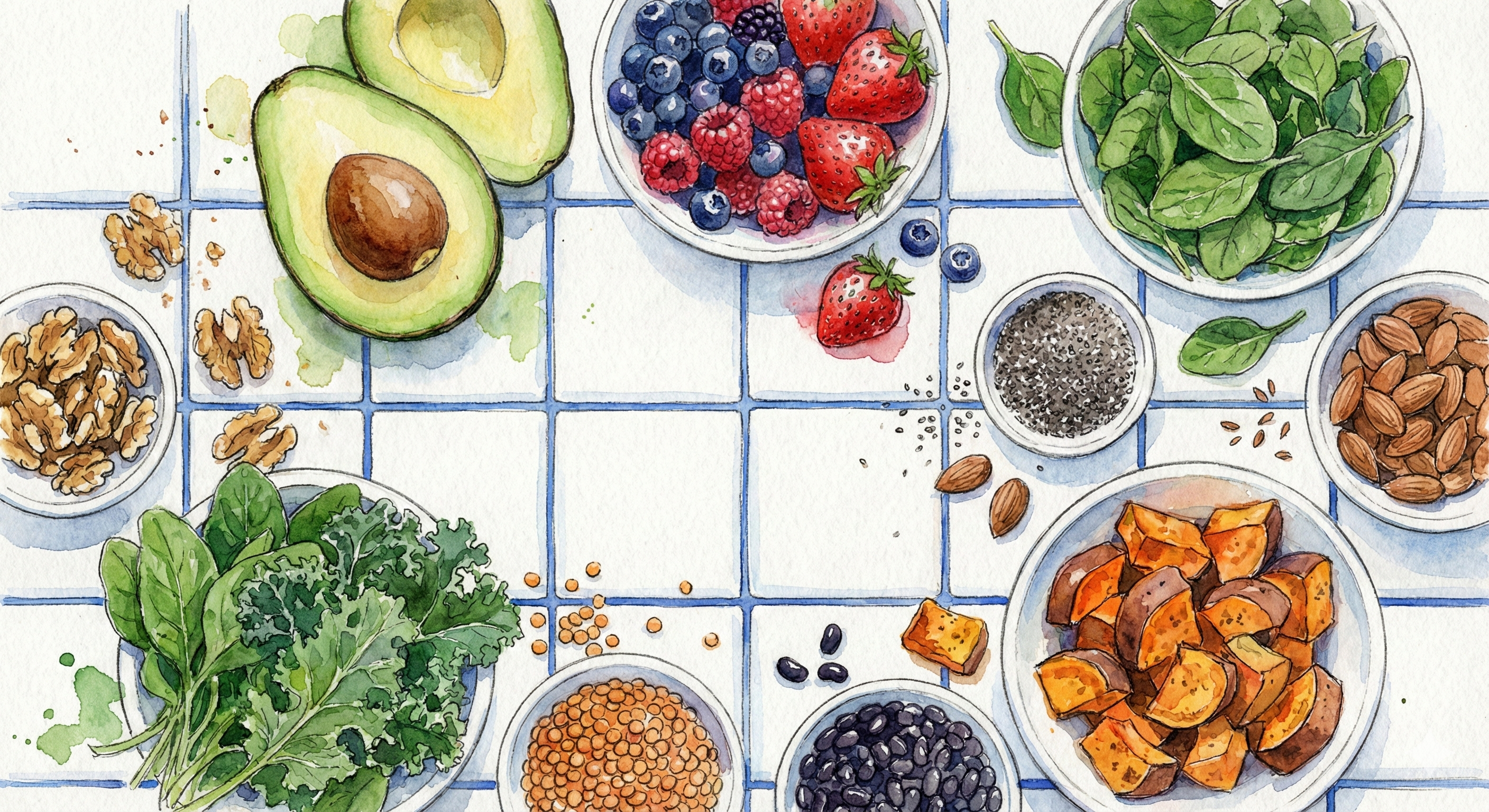
Most people can easily point to protein (meat, eggs, cheese) and fat (butter, avocado, olive oil), but fiber can be fuzzier. Some of the top sources of fiber that I turn to every day are avocado, berries, leafy greens, nuts, chia, flax, beans, lentils, and sweet potato.
And what else contains fiber? Bread!
What About Portions?
Just because I say "bread is healthy" doesn't give license to eat it in large quantities.
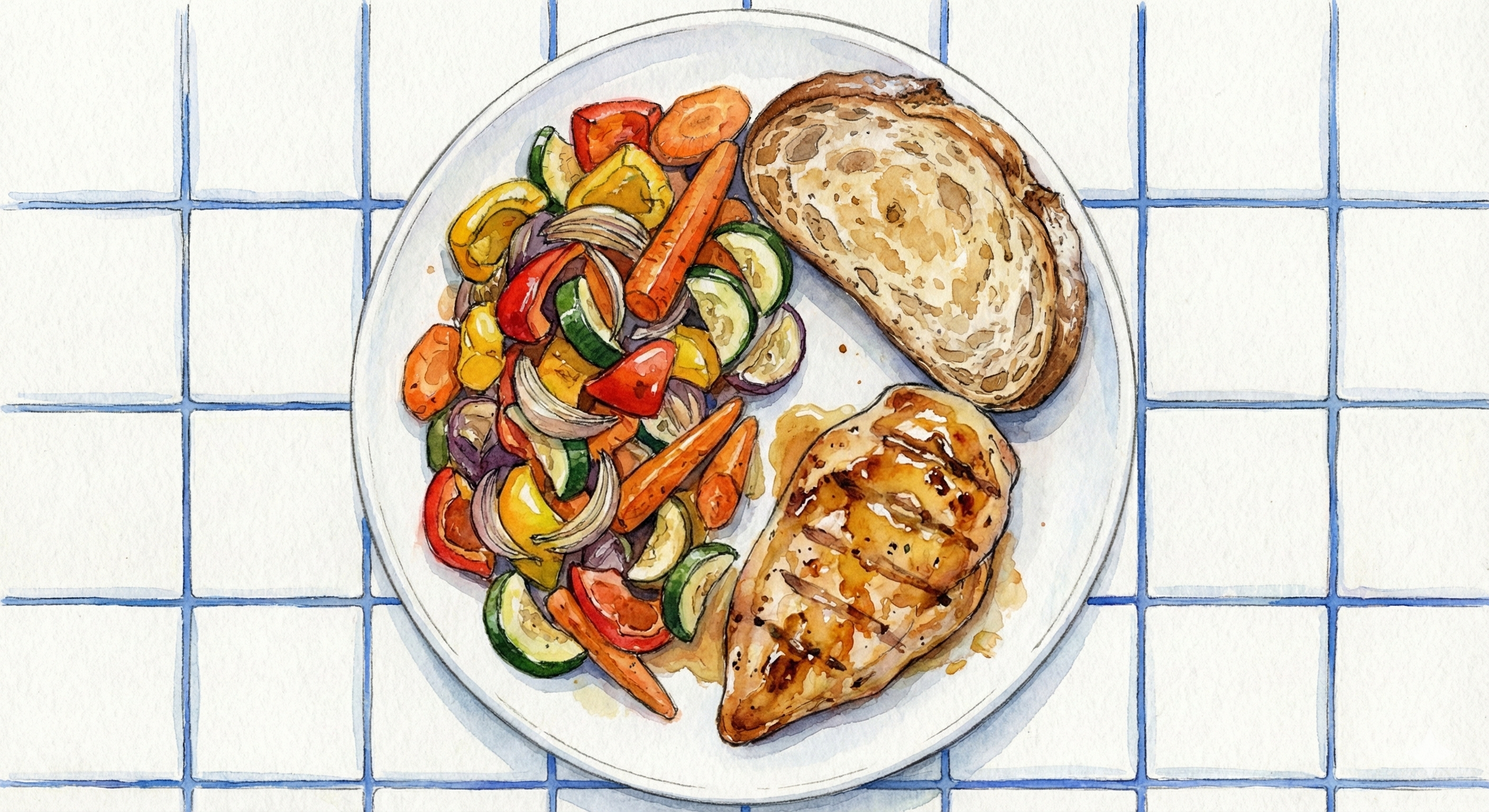
When I'm building my plate, vegetables and protein take up the primary real estate. Bread is a true side, not the star, roughly 25% of the plate. This ratio helps support the macronutrient balance we talk about and keeps blood sugar in check when enjoying your favorite carbs.
When to Eat Bread
I also save my bread for last instead of reaching for it first. There's fascinating science on this approach, and it's not because you're "filling up on vegetables". Though that doesn't hurt, it's because eating fiber, fat and protein first essentially creates a buffer for the carbs to land on, resulting in lower glucose response in comparison to eating the carbs first.
This simple shift helps blunt blood sugar spikes.
Something else? Slowing down when you eat. Some folks are naturally slow eaters, but if you're speedy, like I can tend to be when left unchcked, that can also significantly impact the rise in blood glucose.
Removing the Guilt from Bread
But here's something that I feel doesn't get talked about enough: your thoughts influence your biology.
For years, I saw bread as something to restrict. And that restriction led to the same cycle so many people know: avoid it, crave it, overeat it, feel guilty, repeat.
When I started seeing bread as nutritious, not just allowed but actually good for me, the guilt and shame faded. And so did the yo-yo.
I approached it with a "let's see what happens" mentality when I started incorporating bread into my daily meals. No big declaration, just curiosity. Then 20 pounds down and outstanding blood work later, I'd proven to myself that bread is good for me, physically and emotionally.
Perhaps give it a try and see what happens for you.
Why Sourdough?
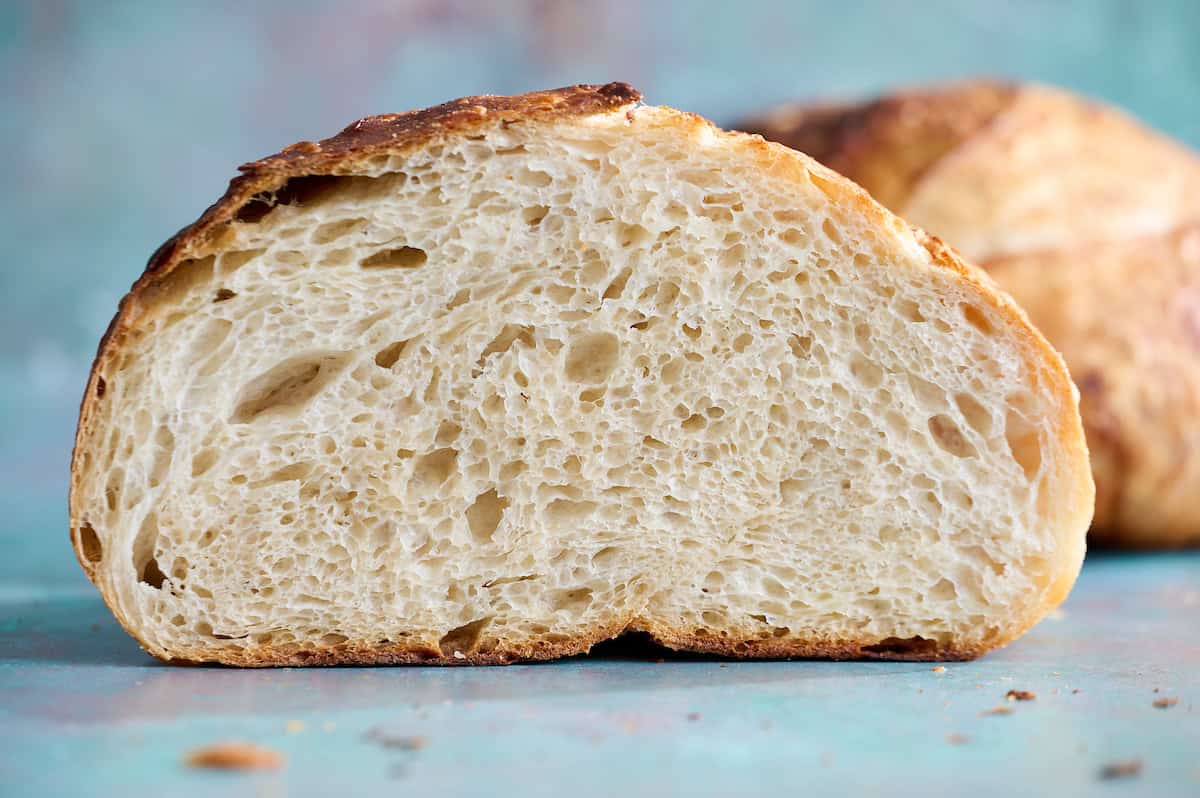
I enjoy all kinds of bread, but homemade sourdough offers some unique benefits. Aside from my fervent belief that there's something fundamentally therapeutic about making bread, it's more nutritionally supportive compared to commercially produced loaves.
The long fermentation process breaks down starches and creates beneficial bacteria. Yay gut bacteria! And studies show sourdough has a lower glycemic impact than regular bread, meaning gentler blood sugar rises.
Sticker Shock Started It All
But where did all of this bread love really start? At Costco when I saw an $8 loaf and thought, "I bet I could make that for less at home." That was all the motivation I needed to learn how to make my own.
Two years later, I've only bought one store-made loaf. What began as money-saving (homemade costs less than $1.50 per loaf) became something much deeper. Yes, it tastes better, but the real reward is the soul-nourishing ritual of creating something with my hands that feeds my family.
There's something powerful about connecting to that ancient rhythm of flour, water, salt, and time, especially in our fast-paced world.
Curious But Intimidated?
If bread making feels like a lot, here's my advice: don't make your starter from scratch. That's the trickiest part for most people, and it doesn't have to be.
You can buy a dehydrated starter online, ask a local bakery, or get one from a friend who bakes. Sourdough people love to share. From there, you're just mixing flour, water, salt, and time.
I share all my best tips in my Getting Started Beginners Guide to Sourdough.
Embrace the Bread
Bread absolutely has a place in blood sugar-aware eating. Even more so when it's thoughtfully made, mindfully paired, and shared with the people you love.
Browse my bread recipes or drop me a comment below with questions.
Here's to the love of bread!


Did you make this recipe? Let me know!